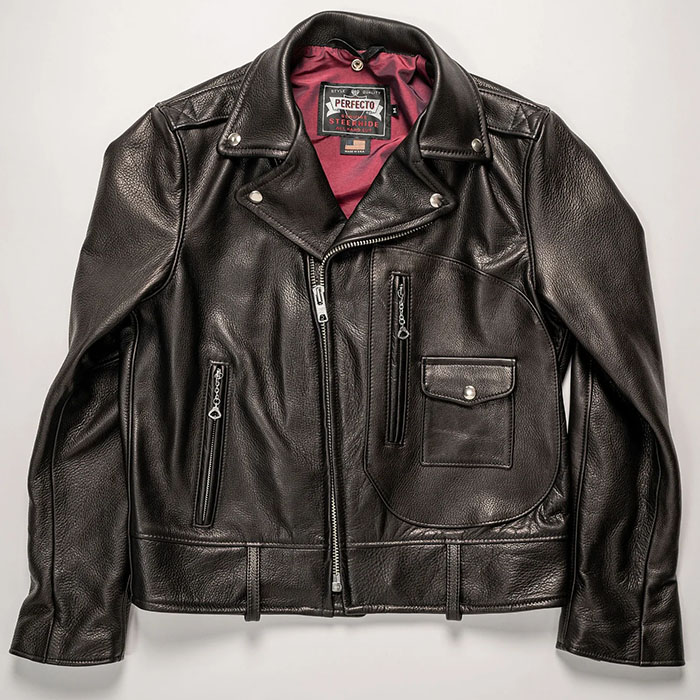
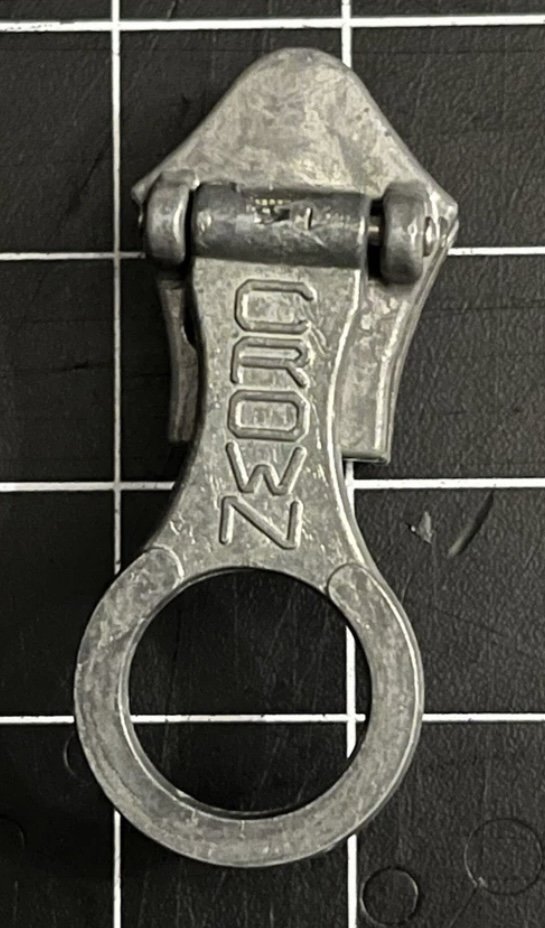
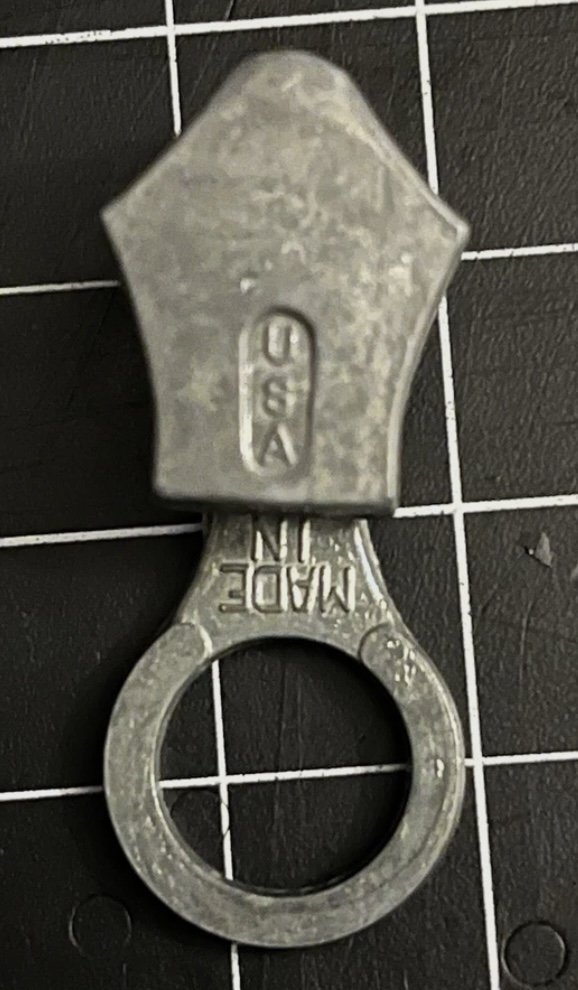
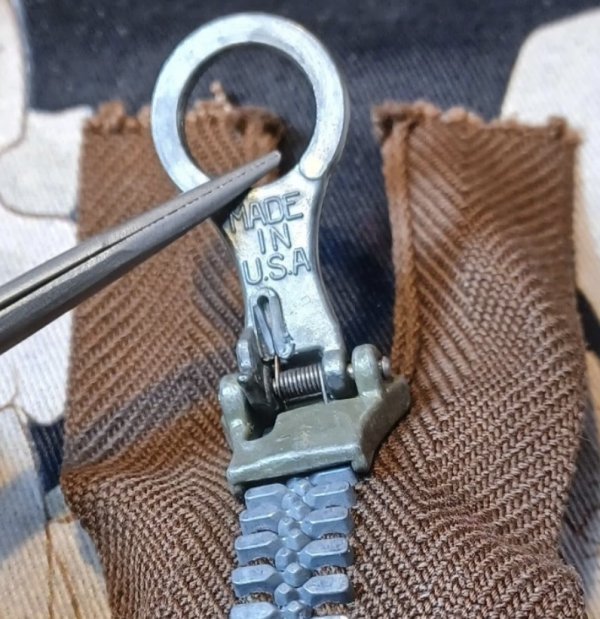
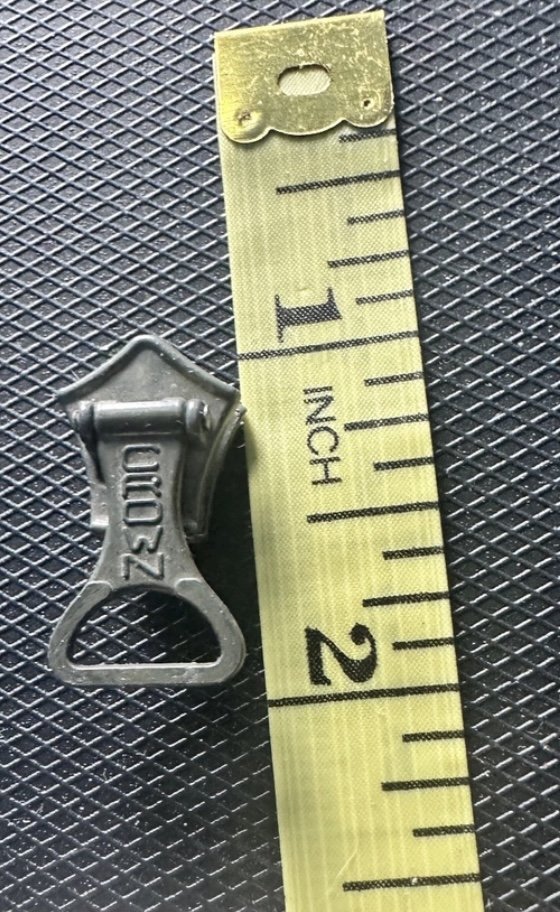
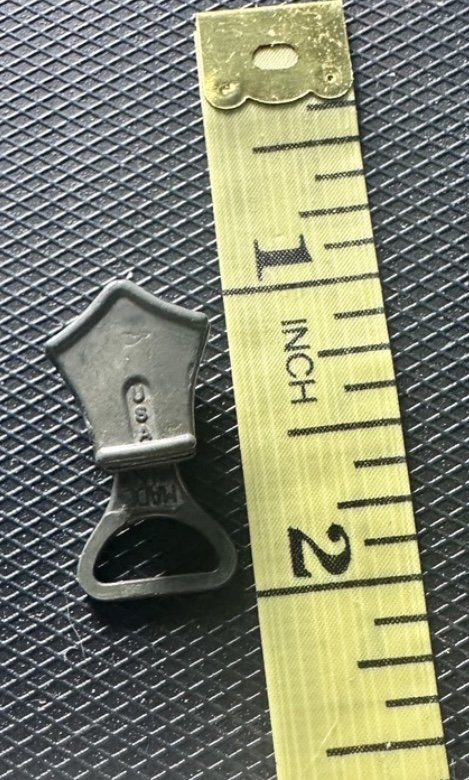
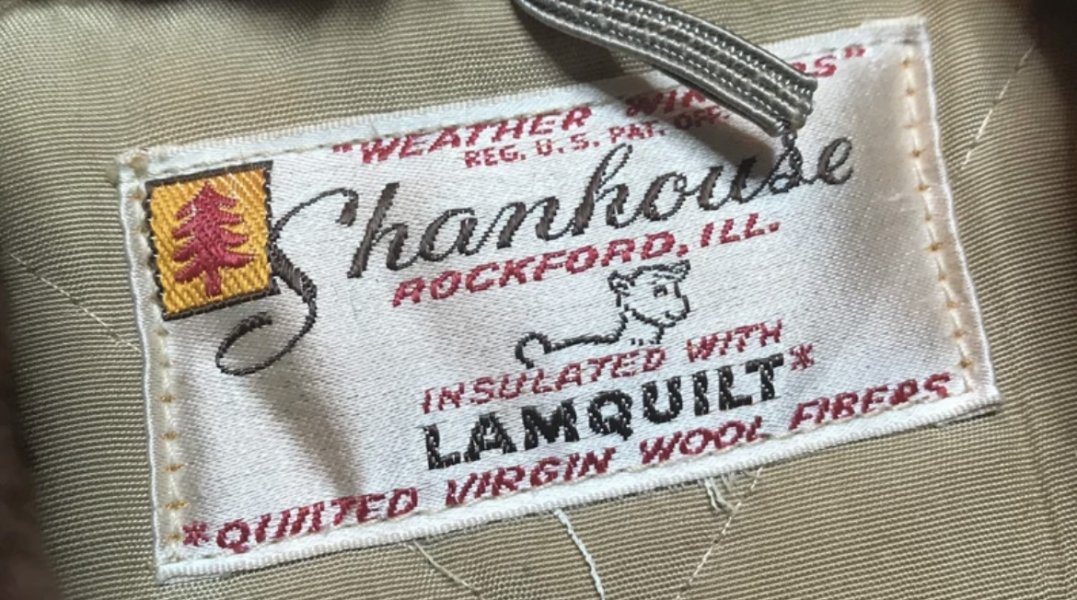
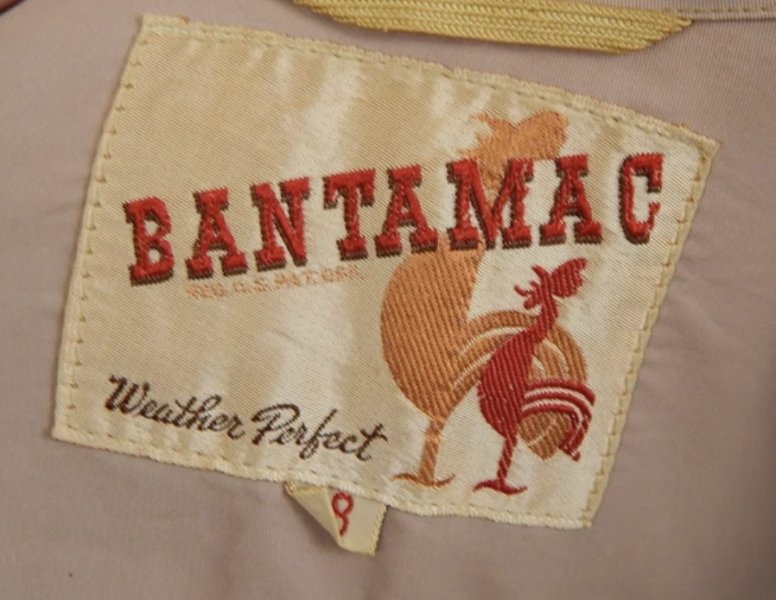
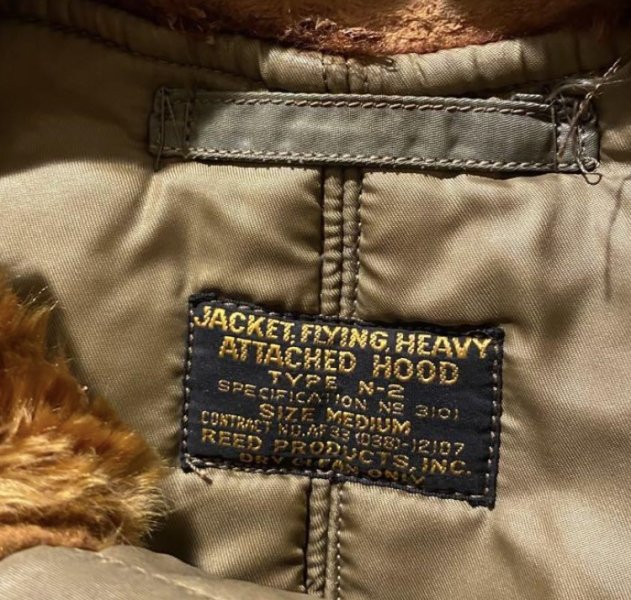
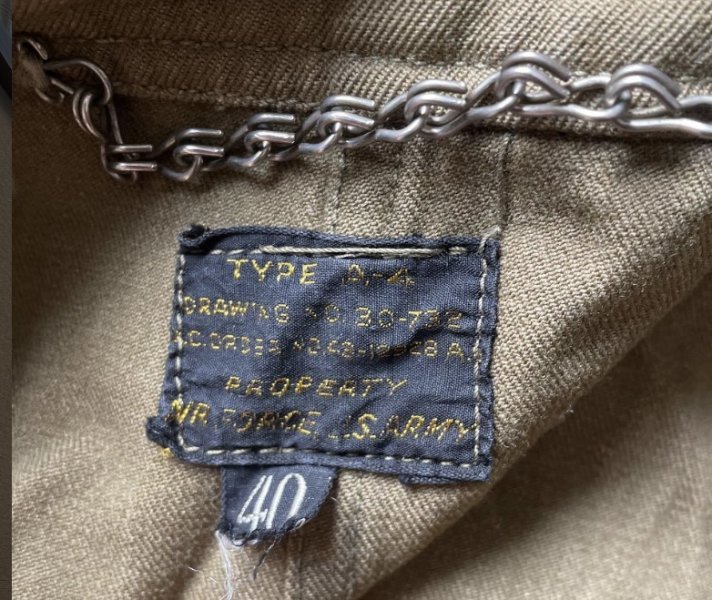
Starting a thread on spring-loaded Crown zippers and its various different types, given our collective interest in this premium-grade zipper. It’s a concentrated space to post your jackets with spring-loaded Crown zippers or discuss anything Crown-related.
Crown was a division of the Clarks O.N.T / J&P Coats "family". Originally an independent company—the Crown Fastener Division of the Spool Cotton Company—Clarks Coats bought them out in around 1936. Originally located in Warren, PA, they moved production to Oriskany Falls, NY in 1946. So both of those C&C and Crown zips were produced on the same machines in the same plant. Strangely, Coats/Clark were producing nearly identical zips under their own name as well as their Crown zipper subsidiary.
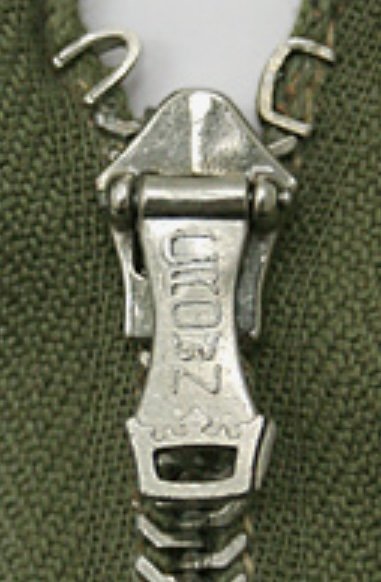
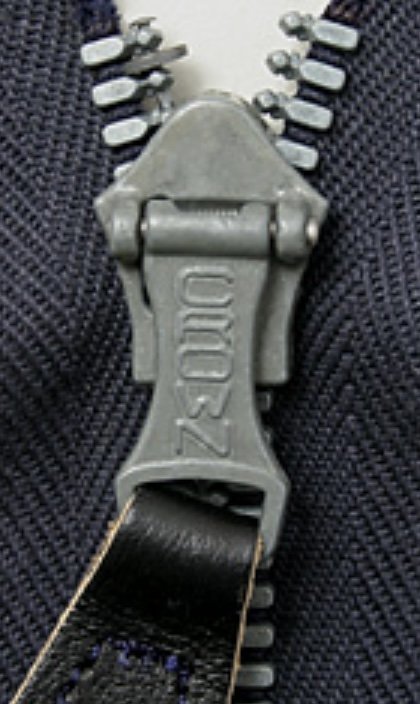
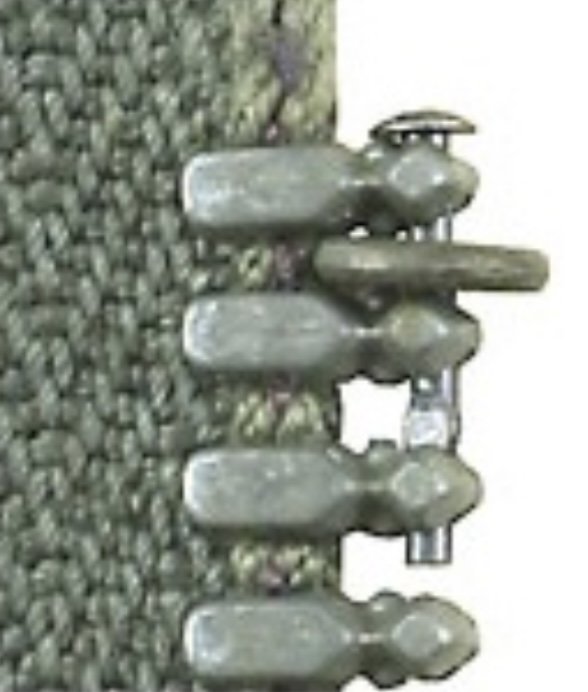
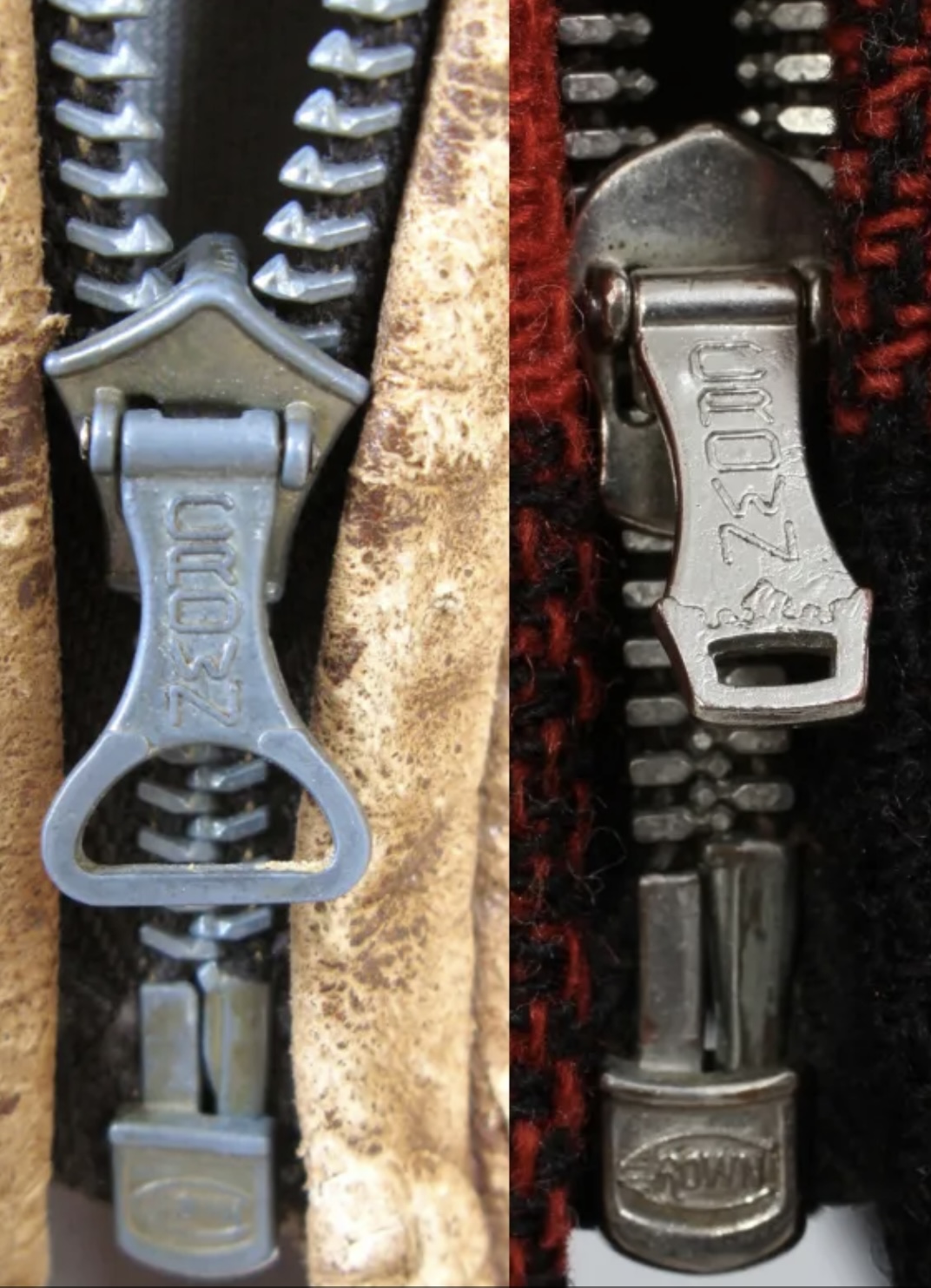
Crown made the switch from the "chevron" teeth (hen’s teeth) found on the left zipper to the "two way" symmetrical teeth on the right zipper in about 1943-44 on wartime applications. The symmetrical tooth design allowed for smoother action in both directions, and allowed the zip to go around the curve of the turret. The design on the right was released to civilian applications after WWII. So a jacket with the two-way tooth design on the right would be 1945-1946 or later.
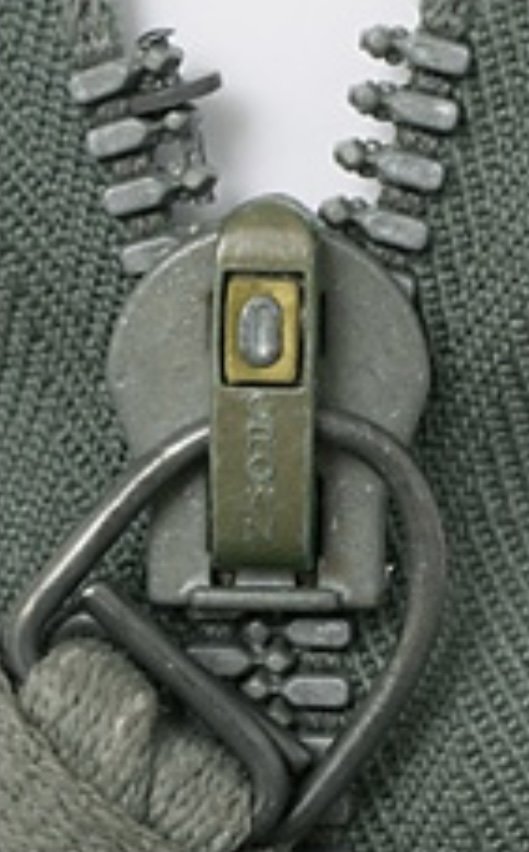
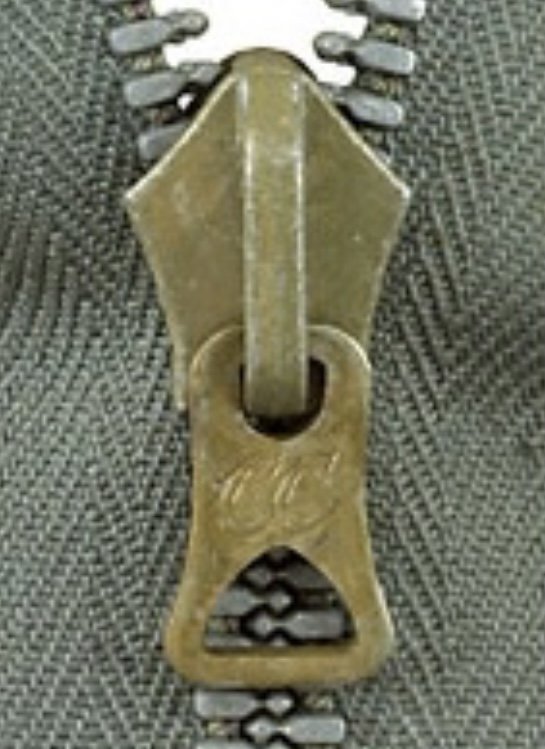
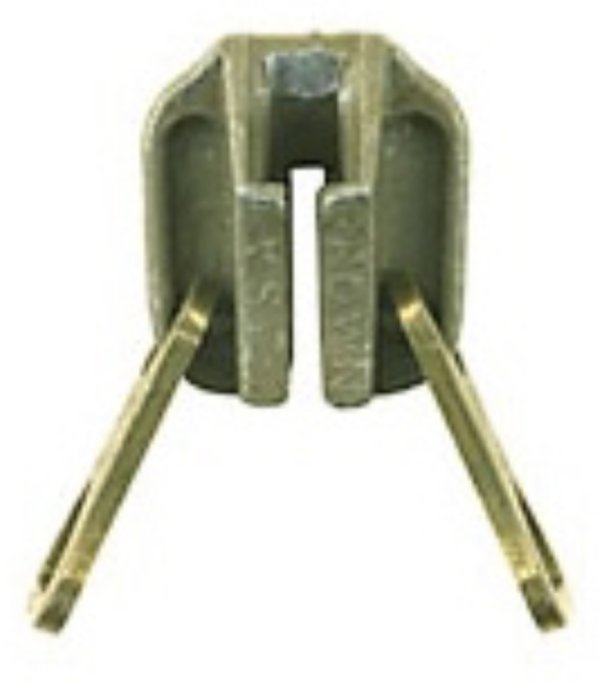
The spring-locking slider was superseded around 1952 by an interlocking, or automatic-lock, slider, shown below. No more usage of spring thereafter.
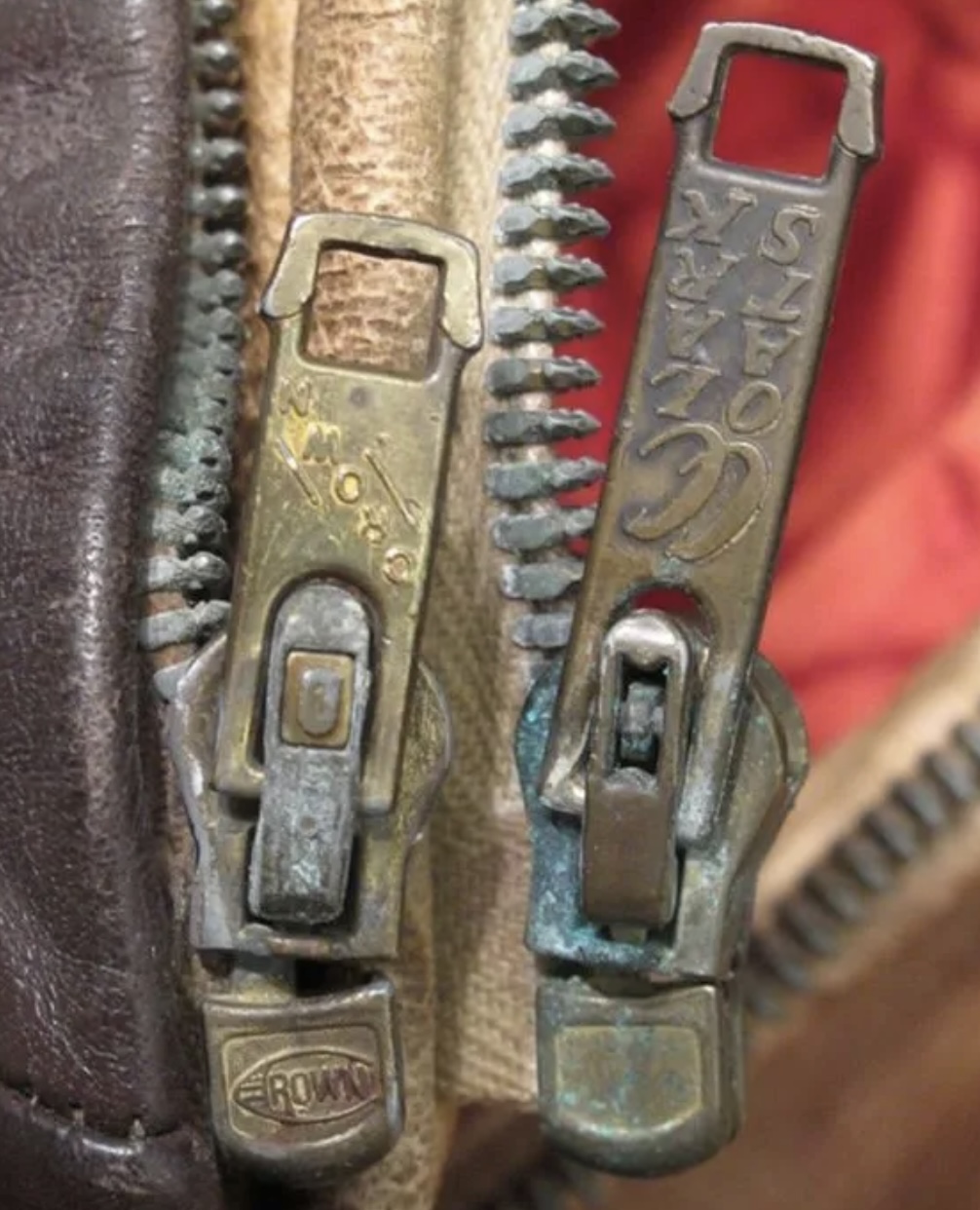
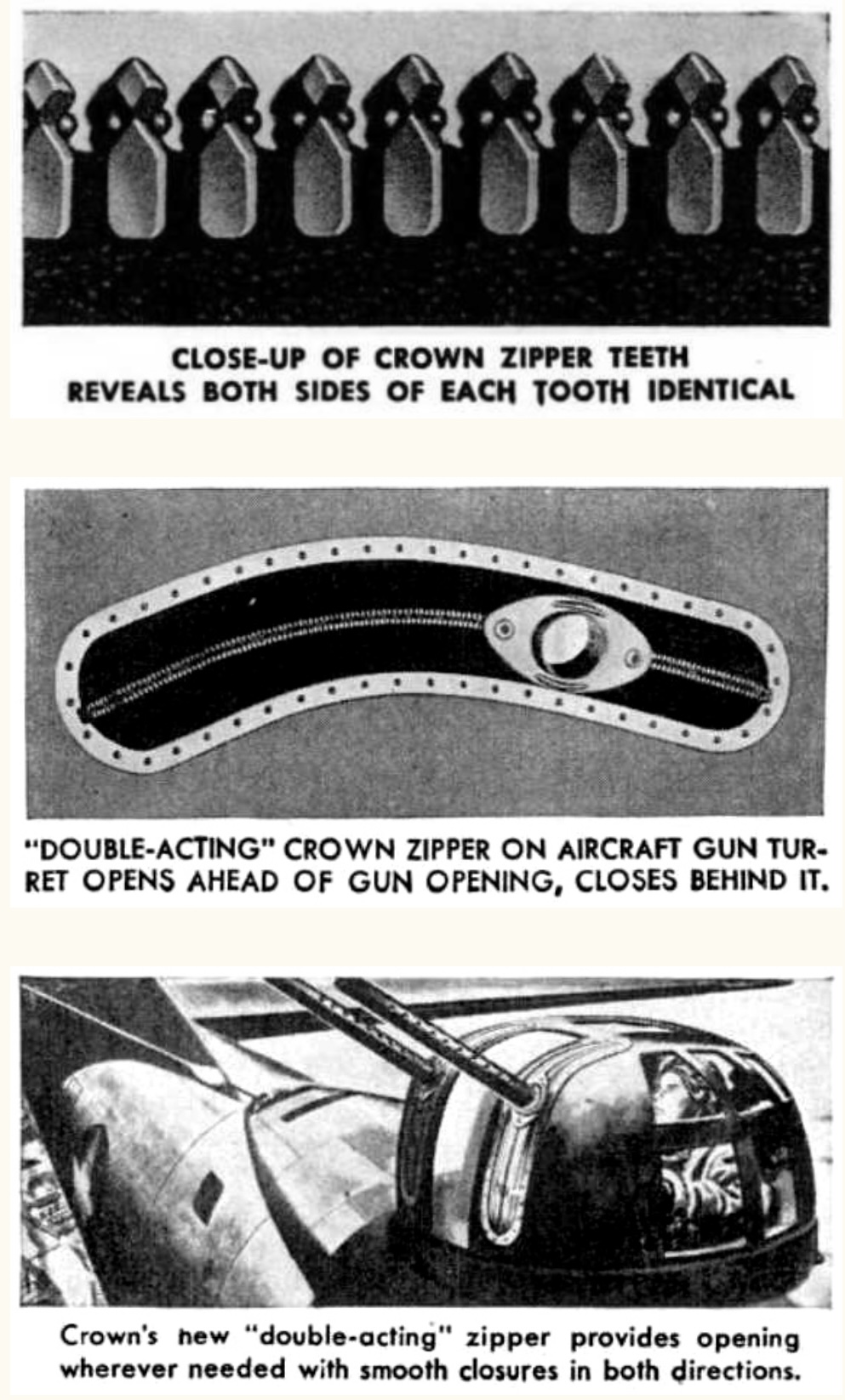
From mid-1930s to mid-1960s, Crown die-cast their teeth directly onto the zipper tape, unlike other manufacturers, like Talon, which clamped the teeth onto the tape. On one hand, it makes for a more durable product and a smoother slide, on the other, it makes replacement necessary if any one tooth goes bad. According to ads, the die casting made the production of larger gauge zippers easier.
Crown also innovated the use of multiple sliders on the same zipper tape, so that gaps could be made wherever needed. Then, as now, this was most common on sleeping bags and on tent panels. Period ads say as many as 10 sliders were used on a single zipper.
C-style Top Stops were developed in the mid-30s by Talon Inc. They were continued to be used until it was changed to the simplified style in mid-40s. And other US zip manufacturers in same era, including Crown, also used same style or similar top stops.
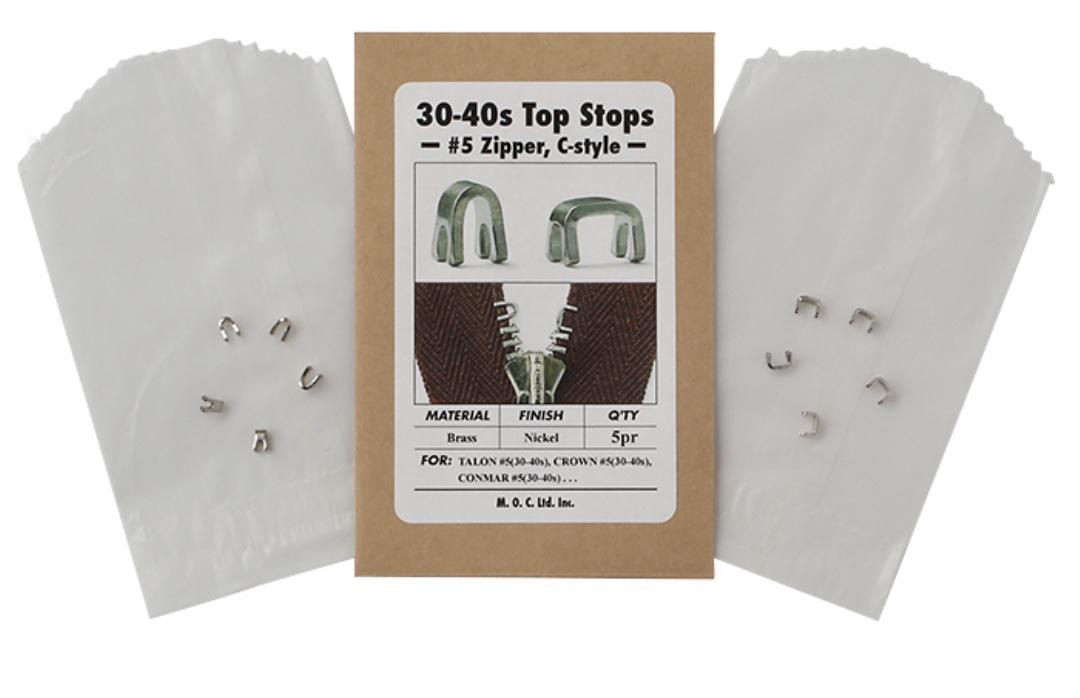
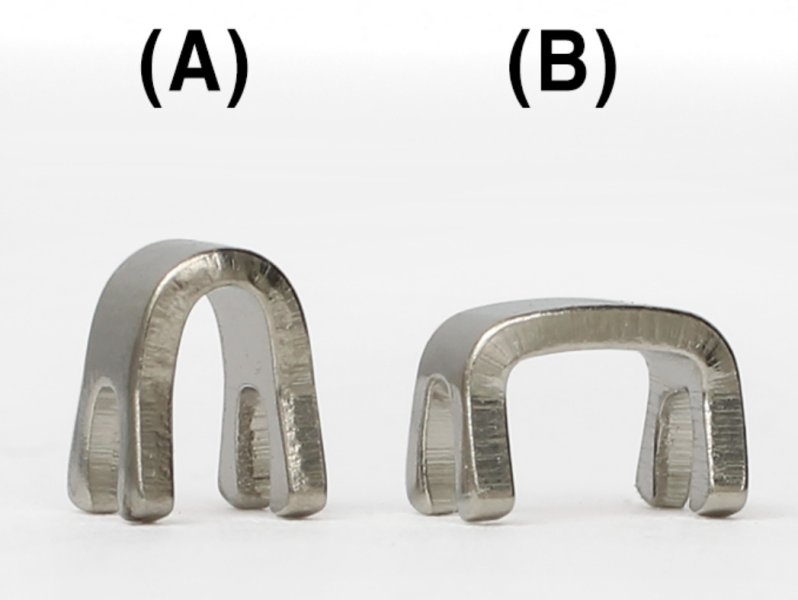
MASH’s repro Crown zippers are available for order from Japan. Link
NOS 1st model
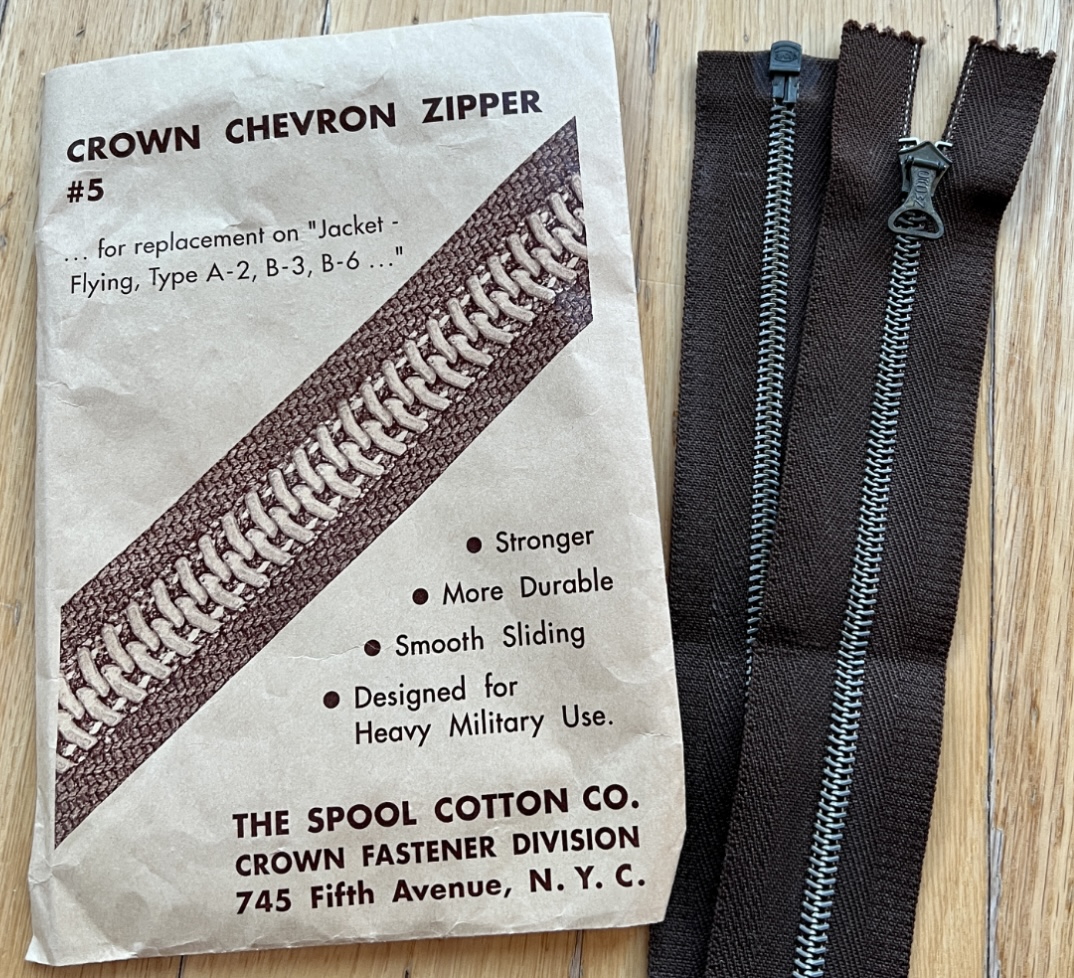
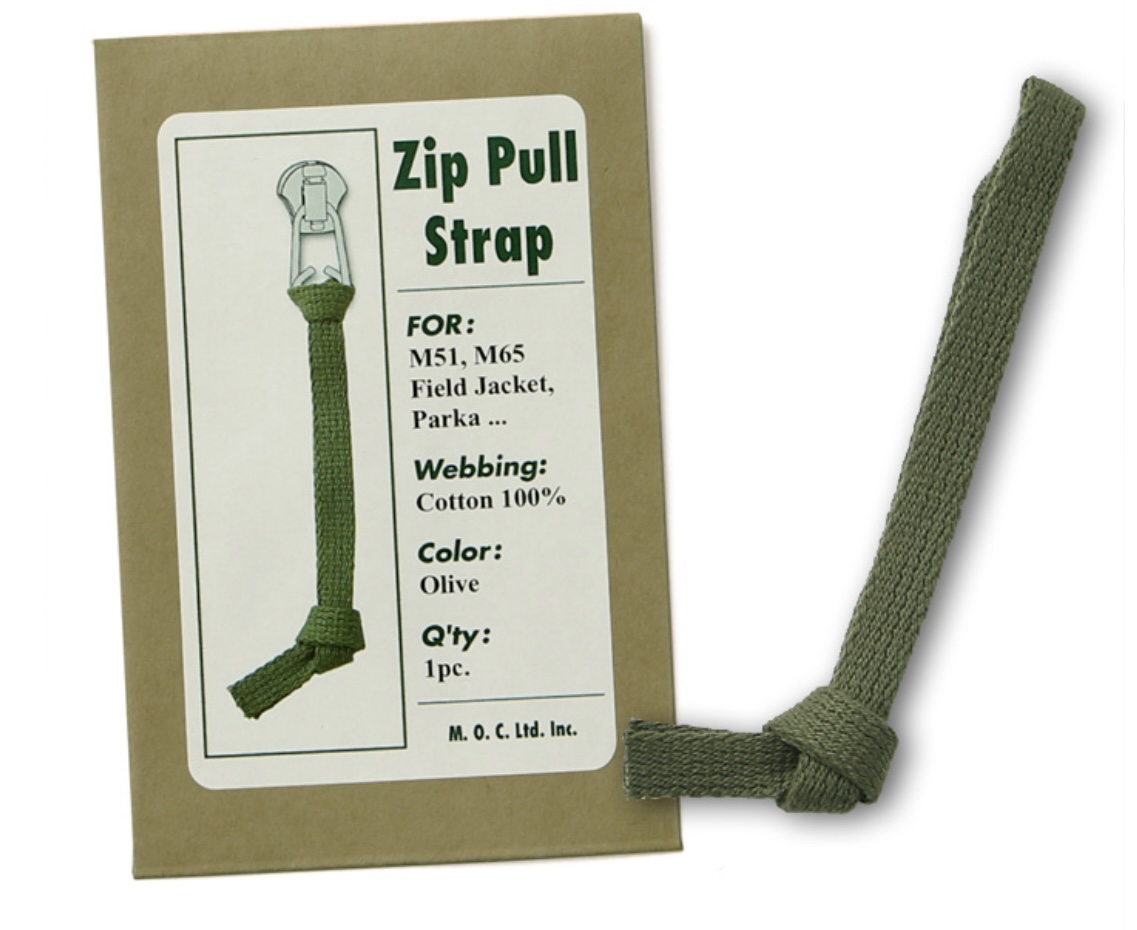
Zip pull strap
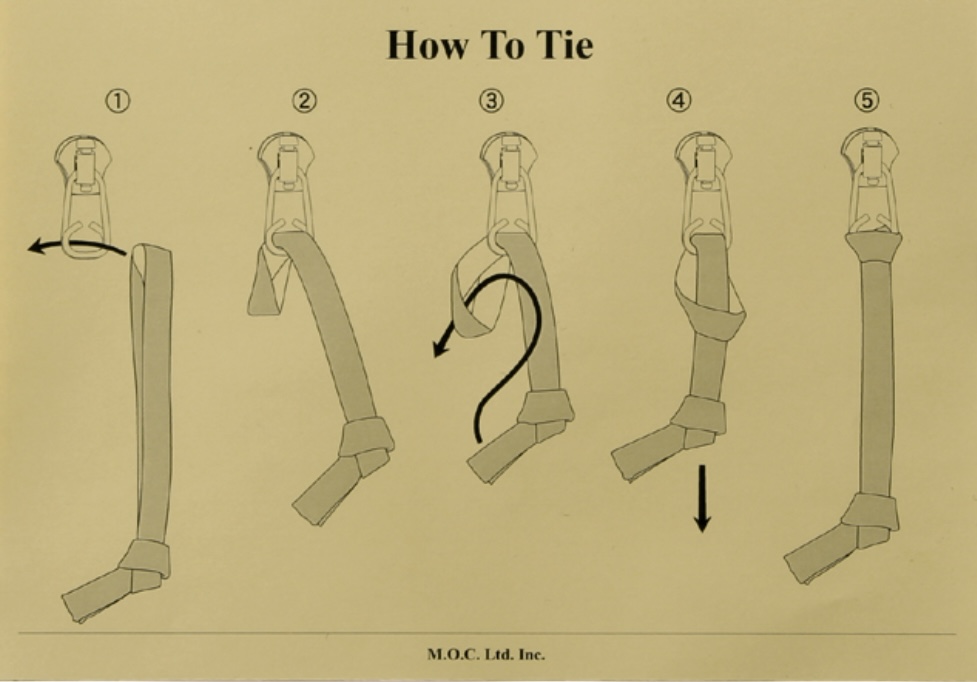
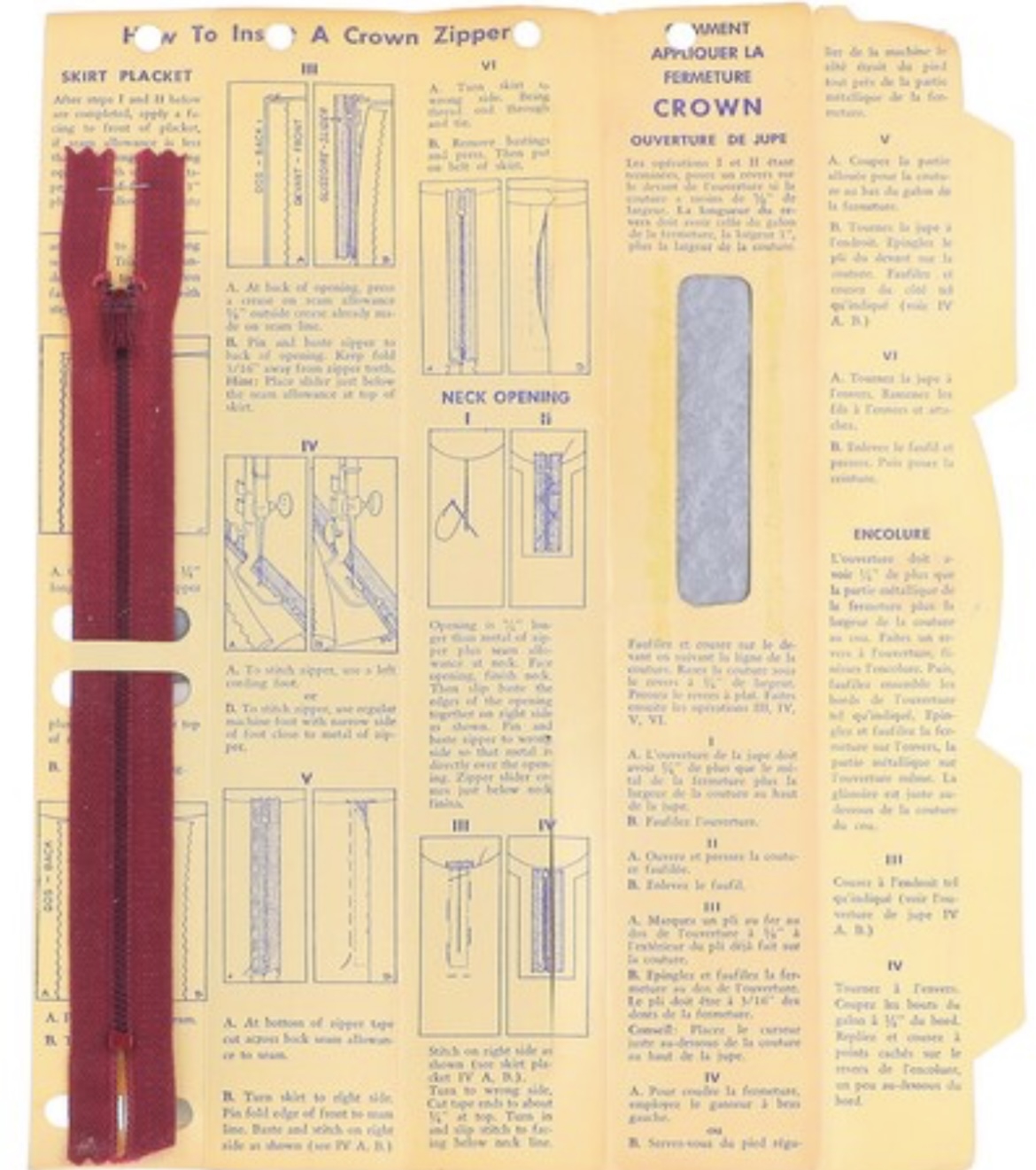
Packaging instruction. Note that zipper tape can be dyed to different colors.
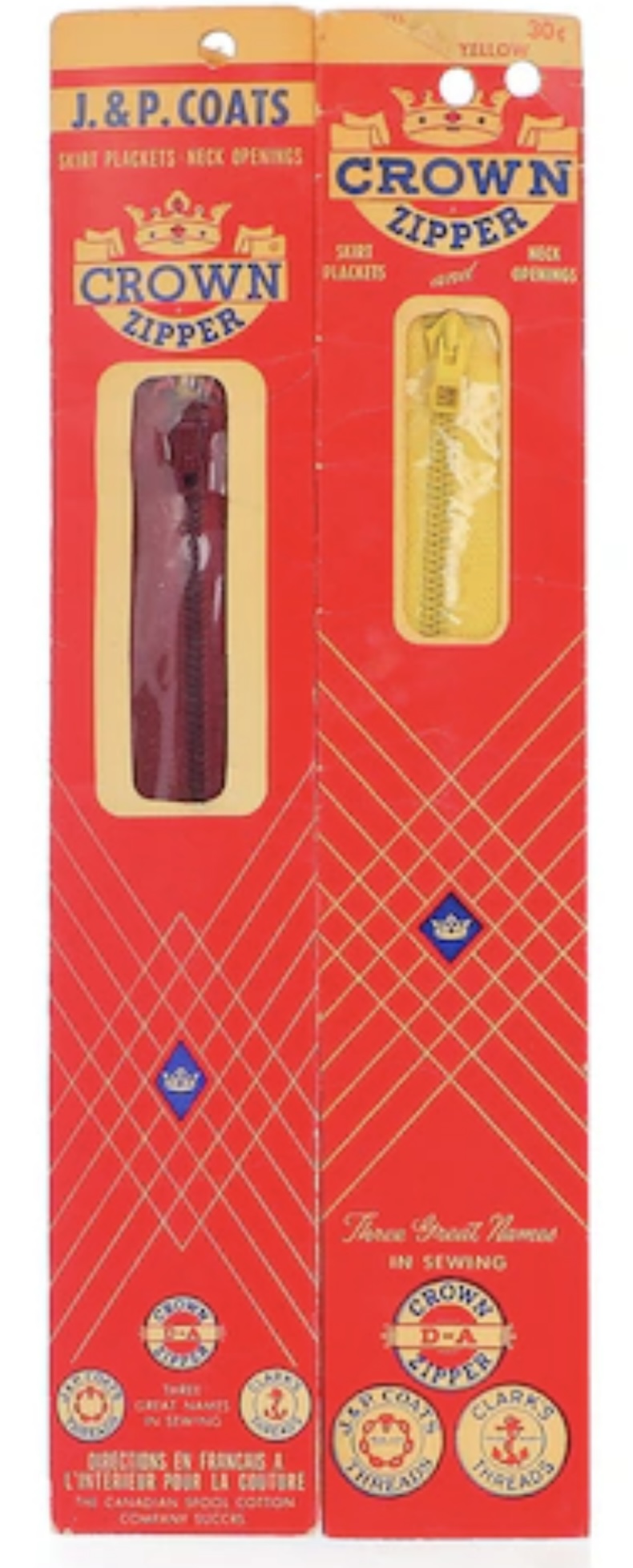
Crown was a division of the Clarks O.N.T / J&P Coats "family". Originally an independent company—the Crown Fastener Division of the Spool Cotton Company—Clarks Coats bought them out in around 1936. Originally located in Warren, PA, they moved production to Oriskany Falls, NY in 1946. So both of those C&C and Crown zips were produced on the same machines in the same plant. Strangely, Coats/Clark were producing nearly identical zips under their own name as well as their Crown zipper subsidiary.
Crown made the switch from the "chevron" teeth (hen’s teeth) found on the left zipper to the "two way" symmetrical teeth on the right zipper in about 1943-44 on wartime applications. The symmetrical tooth design allowed for smoother action in both directions, and allowed the zip to go around the curve of the turret. The design on the right was released to civilian applications after WWII. So a jacket with the two-way tooth design on the right would be 1945-1946 or later.
The spring-locking slider was superseded around 1952 by an interlocking, or automatic-lock, slider, shown below. No more usage of spring thereafter.
From mid-1930s to mid-1960s, Crown die-cast their teeth directly onto the zipper tape, unlike other manufacturers, like Talon, which clamped the teeth onto the tape. On one hand, it makes for a more durable product and a smoother slide, on the other, it makes replacement necessary if any one tooth goes bad. According to ads, the die casting made the production of larger gauge zippers easier.
Crown also innovated the use of multiple sliders on the same zipper tape, so that gaps could be made wherever needed. Then, as now, this was most common on sleeping bags and on tent panels. Period ads say as many as 10 sliders were used on a single zipper.
C-style Top Stops were developed in the mid-30s by Talon Inc. They were continued to be used until it was changed to the simplified style in mid-40s. And other US zip manufacturers in same era, including Crown, also used same style or similar top stops.
MASH’s repro Crown zippers are available for order from Japan. Link
NOS 1st model
Zip pull strap
Packaging instruction. Note that zipper tape can be dyed to different colors.
Last edited: