JC Montecristi Hat
New in Town
- Messages
- 47
- Location
- Manta, Manabí, Ecuador
In reality, when we talk about Montecristi, Simplified Montecristi, Cuenca, or, the hats woven in Colombia and Peru, Ecuadorian artisans are referring more to the weaving techniques used to make a hat than to its place of origin. Montecristi is the most complex weaving style, while the others are progressively simpler forms of the craft.Thank you for this information. Most of what I wrote was taken from Brent Black’s website, and it would not surprise me if much of that text leans more toward marketing than history.
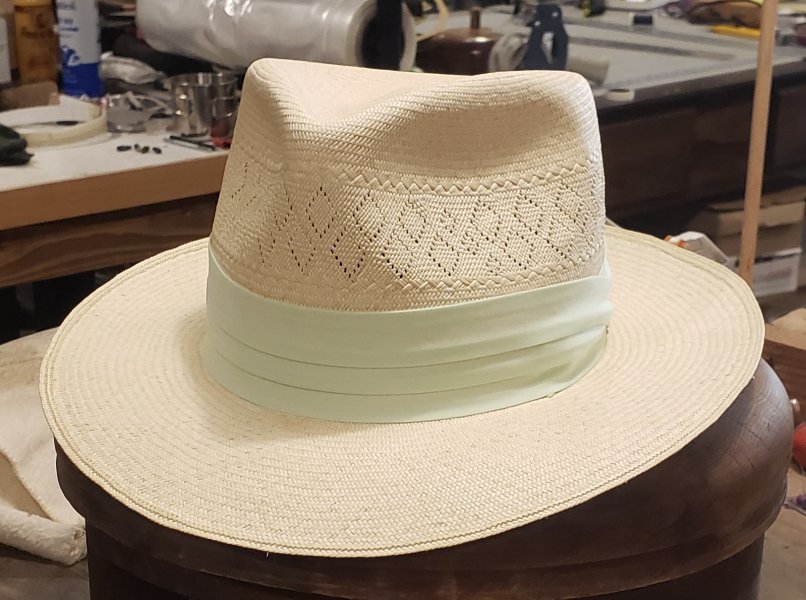
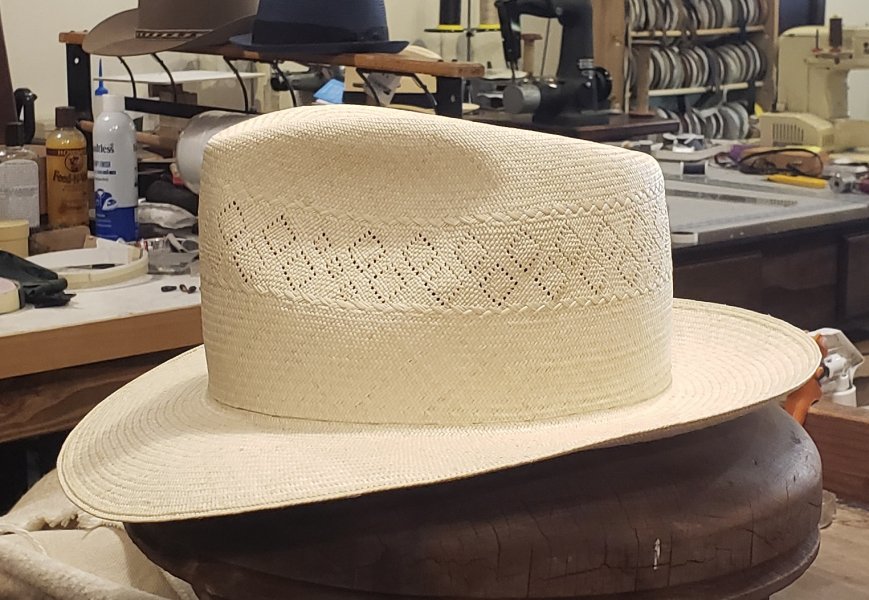
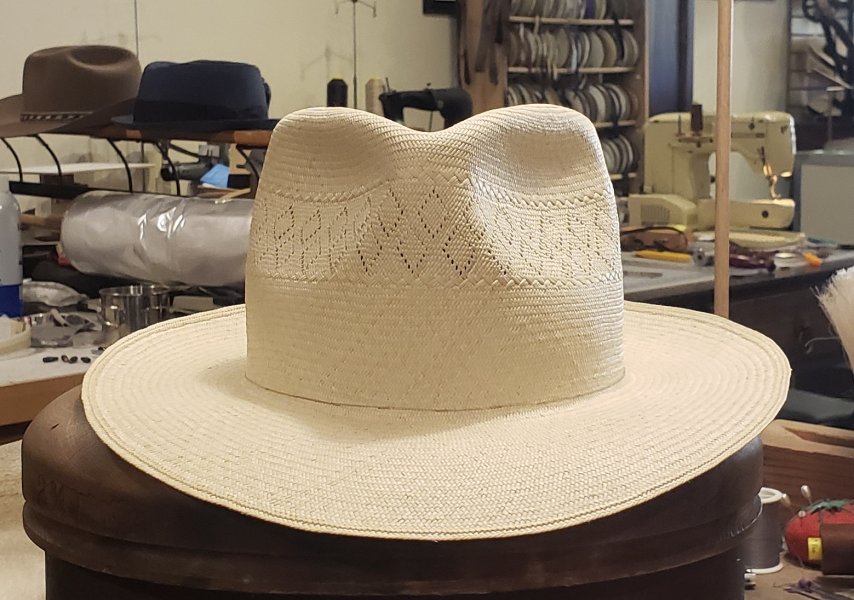
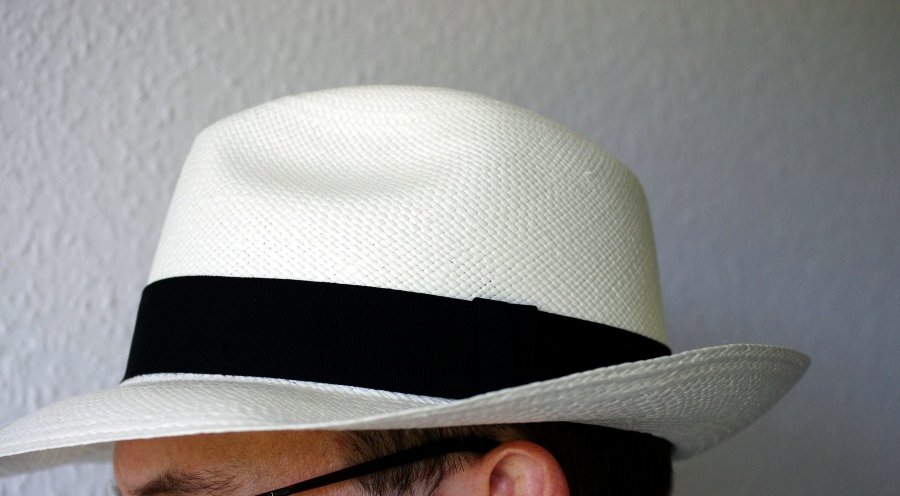
I agree that it makes sense for some of these earlier wholesale-market hats to be less finely woven than the more recent direct-to-consumer hats. That was my theory when I bought this hat, and my WPI count appears to support it, although one data point is only one data point.
If I misused the term “Montecristi,” it was not intentional. I’m happy to use whatever terminology is correct. In everyday conversation, I tend to say “Montecristi” when I’m feeling fancy and “Panama” when I’m not lol.
Brent Black still offers some Cuenca hats as a (slightly) lower-priced entry point on his website, and it would not surprise me if Cuenca hats always comprised a portion of his overall inventory, or if they were more common during the earlier wholesale period. He also offers hat bodies at “wholesale” under certain conditions from his existing stock. I do not know whether that is historically consistent with his earlier wholesale business model, the historical “Brent Black” premium/custom model, or a more recent development related to the later stages of Mr. Black’s career.
I am confused by the use of the term “Cuenca” in your response. My understanding is that the defining characteristic of a Cuenca or Montecristi hat is the region in which the hat body was woven. Is that not correct?
I had also previously assumed that weave type (llano vs. brisa) and weave fineness were definitive — Montecristi generally being associated with finer llano weaves and Cuenca with coarser brisa weaves. However, it appears there may be substantial overlap in both weave type and fineness in both directions. Is that accurate?
If anyone has access to better historical sources on this subject, I would genuinely enjoy reading them. Thank you.
The first toquilla straw hat was made in Jipijapa in 1630 and later became popular in Montecristi. This activity began in Colombia in 1827, in Peru in 1840, and in Cuenca in 1844. Master weavers from Montecristi were brought to each of these locations, but they chose to learn a simplified version of the technique, and over time each region modified it further to make the process even easier.
I believe that the lack of a deeper analysis of the subject, combined with the failure to provide truly useful and detailed information, has created confusion and encouraged dishonesty surrounding Panama hats. Many people believe that UNESCO certifies the authenticity of the product, when in fact it certifies the living tradition. Even then, the way this recognition was granted is questionable when one considers the historical context and the exclusion of other countries, although there were clearly other interests involved. From my perspective, Montecristi is the only style that has remained almost unchanged from its original form.
The blocks used for weaving, the methods of bleaching the straw, and the weaving techniques themselves are either completely different or only partially similar from one style to another. To a trained eye, these differences are quite noticeable. If you analyze the START of the weave, it is often the easiest way to identify them. There are actually more similarities between Montecristi hats and Peruvian hats, while Colombian hats share more similarities with Cuenca hats than most people realize. However, there are several differences that make them noticeably distinct when compared to one another.
Last edited: