
- Messages
- 19,687
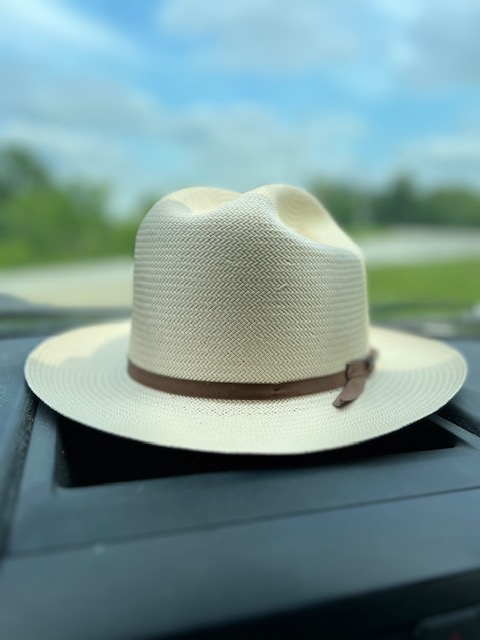
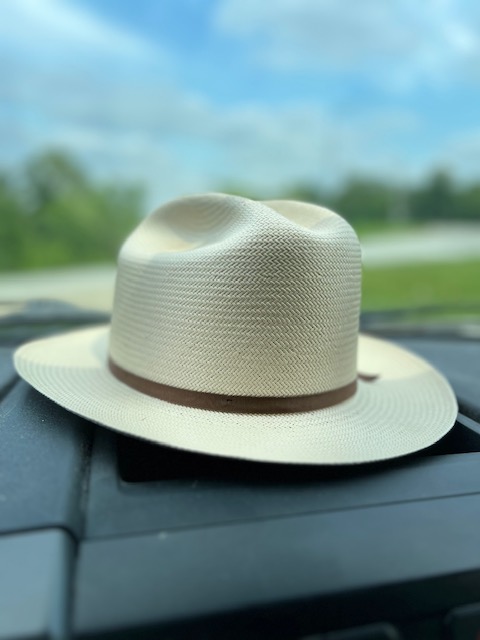
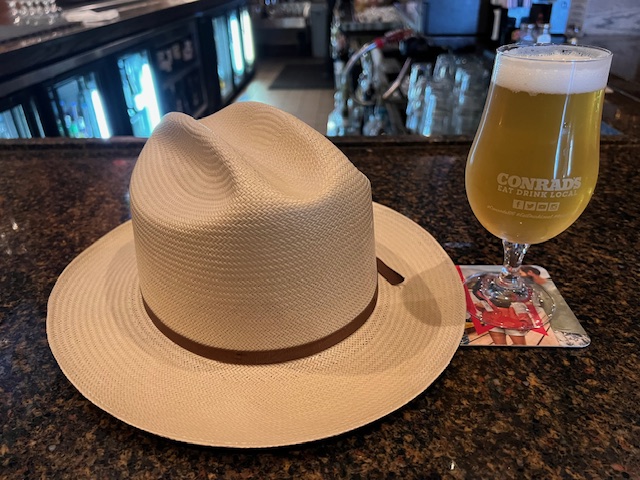
Another First Alert Weather Day calls for something cooler than felt. Stetson OR 10X Shantung in the color Toast.


Nicely done!Another rainy day; another Akubra. I reshaped this fern Cattelman more western-styled with a brick crown, slight mule kick, and horsehair band.

I like that brick. Cool hatAnother rainy day; another Akubra. I reshaped this fern Cattelman more western-styled with a brick crown, slight mule kick, and horsehair band. View attachment 781684 View attachment 781685 View attachment 781686

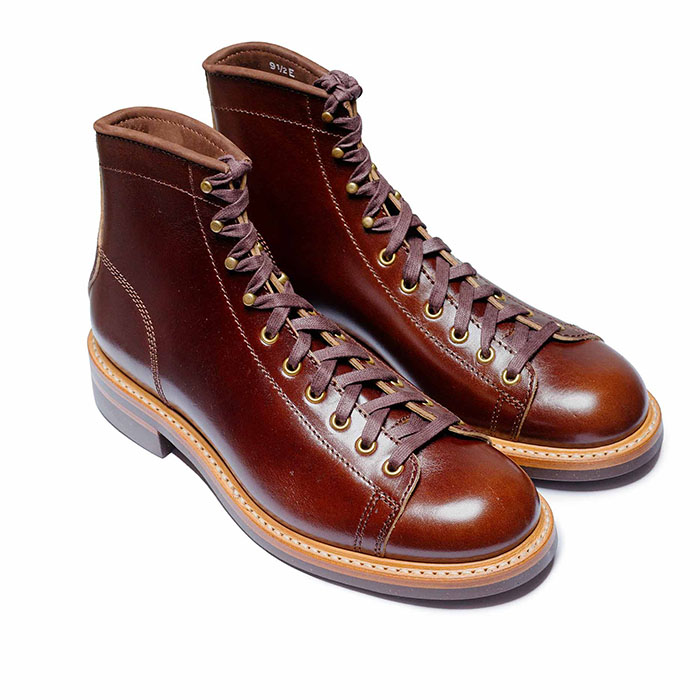 John Lofgren Monkey Boots Shinki Horsebuttt - $1,136 The classic monkey boot silhouette in an incredibly rich Shinki russet horse leather.
 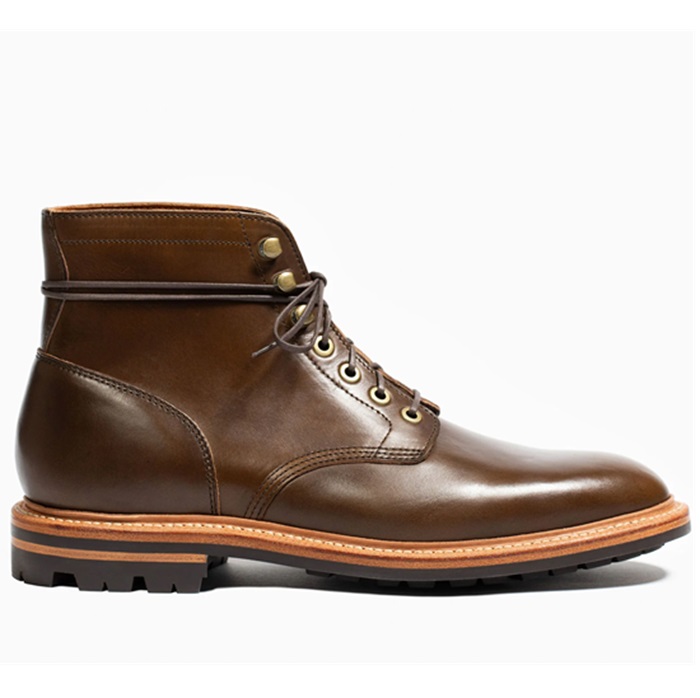 Grant Stone Diesel Boot Dark Olive Chromexcel - $395 Goodyear welted, Horween Chromexcel, classic good looks.
 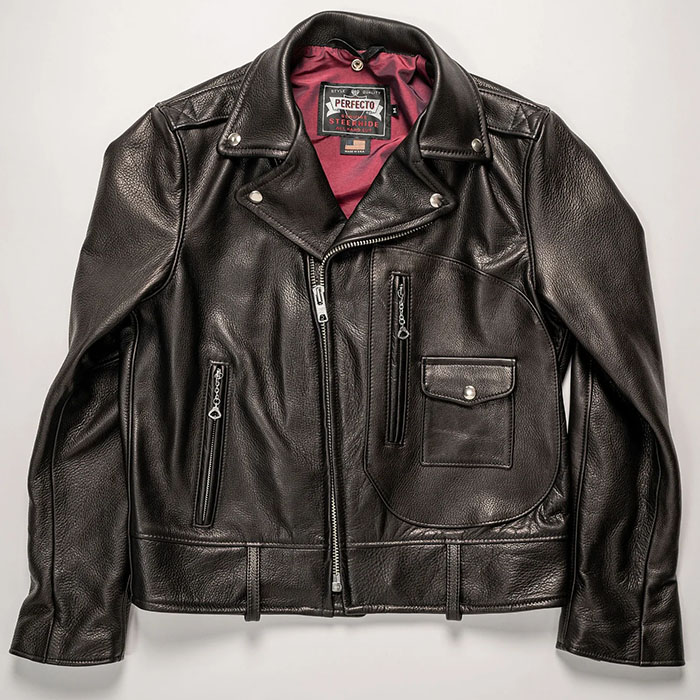 Schott 568 Vandals Jacket - $1,250 The classic Perfecto motorcycle jacket, in a very special limited-edition Schott double rider style.
 I do love this open road. Also great googly moogly - my beard wants to be like your beard when it grows up lolAnother First Alert Weather Day calls for something cooler than felt. Stetson OR 10X Shantung in the color Toast.
View attachment 781701
View attachment 781700
View attachment 781699
View attachment 781698
View attachment 781702
Looking for a good Victorian Beardsmith if you know of one.I do love this open road. Also great googly moogly - my beard wants to be like your beard when it grows up lol

Hello fellow hat lovers!
My last five days were spent on a 2000 mile drive from Wisconsin to Portland, OR.
I've made this trip in a semi (or one like it or even longer) at least a dozen times, but this one was particularly challenging. The weather was argumentative the entire way, I missed out on some of my favorite views, I lost an entire day to trailer repairs, flatbed driving requires much more delicacy than dry van operation, etc.
But the load of tiles was delivered this morning and I have two days off!! Woohoo!
I plan to don the Northwest Hats and head out exploring tomorrow, but today still finds me under the brim of the FED IV, which has proven to be a wonderful working hat (not that I needed any such proof, but I have put this lid through the ringer the last ten days and it has shrugged off every hardship and been a really wonderful companion, to boot).
I am including a photo of an interesting information board in the truck stop where I am parked.
My best regards to all!
View attachment 781679 View attachment 781680 View attachment 781681
Im still tying to get mine to go longer but evidently my face has a growth governor. it gets about 2-12" and stops growing... just starts getting shaggy.. Need to find a magic hair growth formula for it
I like that brick. Cool hat
Nicely done!
Thank you, all. The hat went through several iterations before reaching this style. I'm digging it.A good look for that Akubra. Wore mine, with original shape, today, as well.
Don’t know of any magic growth elixir. Average growth per month is .75” in the humid summertime, .5” in the dry air of winter.Im still tying to get mine to go longer but evidently my face has a growth governor. it gets about 2-12" and stops growing... just starts getting shaggy.. Need to find a magic hair growth formula for it
Love the design of the ribbon and bow treatment, Mark. The colour really compliments the light grey and sets off the whole tone of the felt.Morning dog-stroll today was conducted under an early-50s Resistol Regent.
View attachment 780391 View attachment 780392 View attachment 780393



Fantastic history!Anton Peschel Neutitschein, possibly learly 1930s. This is the only Anton Peschel Neutitschein Stiff Felt Hat I have encountered. This Stiff Felt was made for the Czechoslovakia market. It has a unusually long frayed Bow which gives it a special character. The Anton Peschel Neutitschein Crest is one of my favorite designs. I was very lucky to find this rare branded Anton Peschel Neutitschein Stiff Felt back in 2019.
Anton Peschel Neutitschein is probably my favorite Company Crest.
The History of the Hat Factory Anton Peschel in Schönau, Austria, post WWI Czechoslovakia
(Translation Below. Interesting company history, )
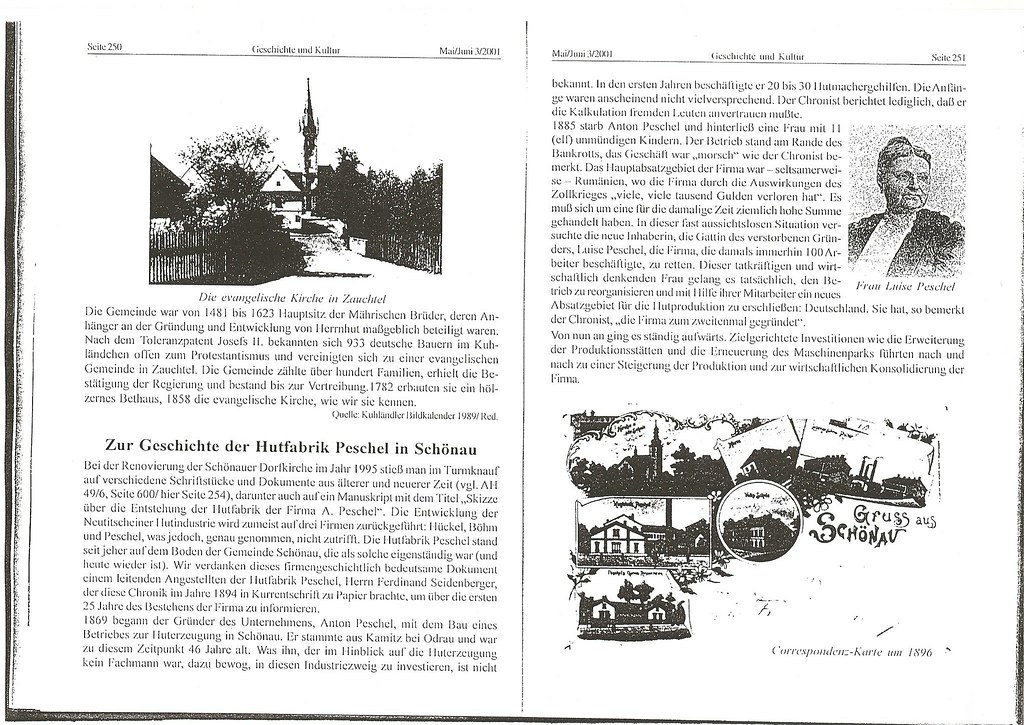
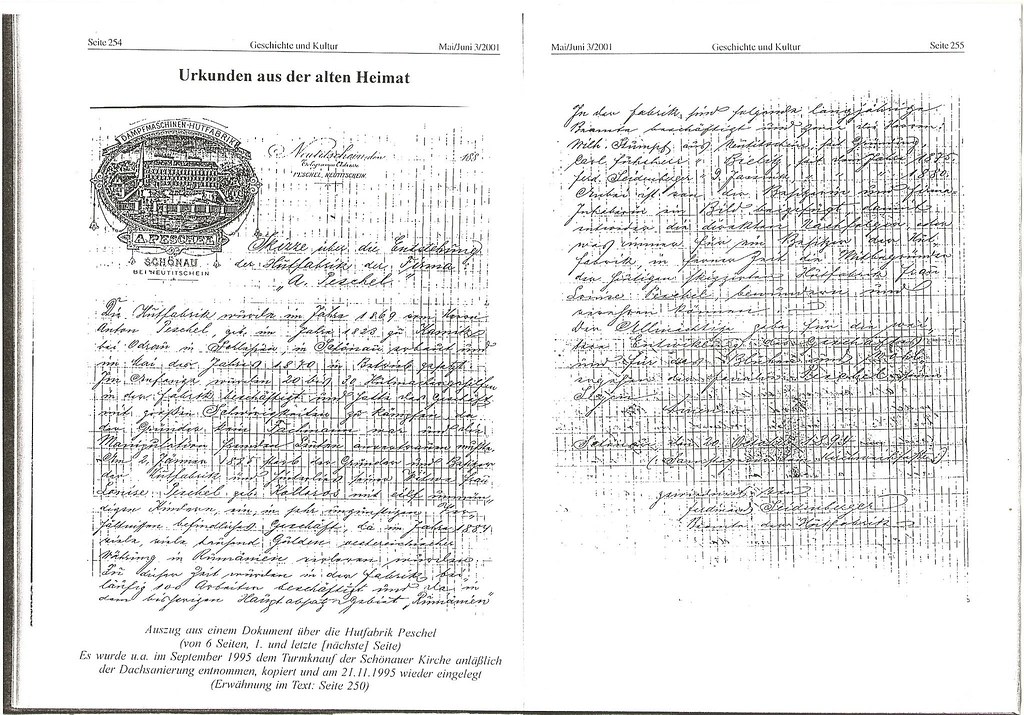
During the renovation of the Schönau village church in 1995 many historical items were discovered including a manuscript entitled "Sketch of the Origin of the Hat Factory of A. Peschel". The development of Neutitscheinhat industry is mostly attributed to three companies: J. Hückel´s Söhne, Brüder Böhm and Anton Peschel. However, strictly speaking Anton Peschel belonged to the neighboring independent community of Schönau. Mr. Ferdinand Seidenberger an officer of Anton Peschel wrote the manuscript in 1894 upon the 25th Anniversary the company (see above).
In 1869 began the company's founder , Anton Peschel, built a hat factory in Schönau. He came from the town Kamitz at Odniti and was at that time 46 years old. He had no prior experience in hat making and it was unknown why he decided to invest in the industry. In the early years Anton Peschel employed 20 to 30 hat industry workers. The beginnings of the company were apparently not promising. Mr. Seidenberger reported that Anton Peschel had to rely on outsiders to run the company. In 1885 Anton Peschel died and left his wife with eleven under aged children and a company on the brink of bankruptcy. Mr. Seidenberger described the business as "rotten". The company main customers were oddly in Romania where the company had lost many thousand Florins (apparently a large sum in those times) due to a tariff war. In this almost hopeless situation, the new proprietor , the wife of the late founder, Luise Peschel was tasked with rescuing the company. This energetic and business-minded woman, actually managed to reorganize the operation and was able to build a major customer base in Germany. According to Mr. Seidenberg " the company was established for the second time". She invested in production facilities and the renovation of machinery which further improved the economic well being of the company.
Mr Seidenberger also gives us an insight into the existential situation of the 230 workers at the end of the 19th century: The average wage at that time was 5 to 10 guilders per week with a work schedule of 14 hours a day. All workers were insured against accidents and illness , which probably was not self-evident at the time. As a raw material for production for soft and stiff felt hats and served exclusively hare and rabbit that were taken from the home and abroad . The markets for Anton Peschel hats included before the first World War, Austria - Hungary, Germany , Russia, Greece and almost all other countries in Europe. Also just prior to WWI North America, South America and India.
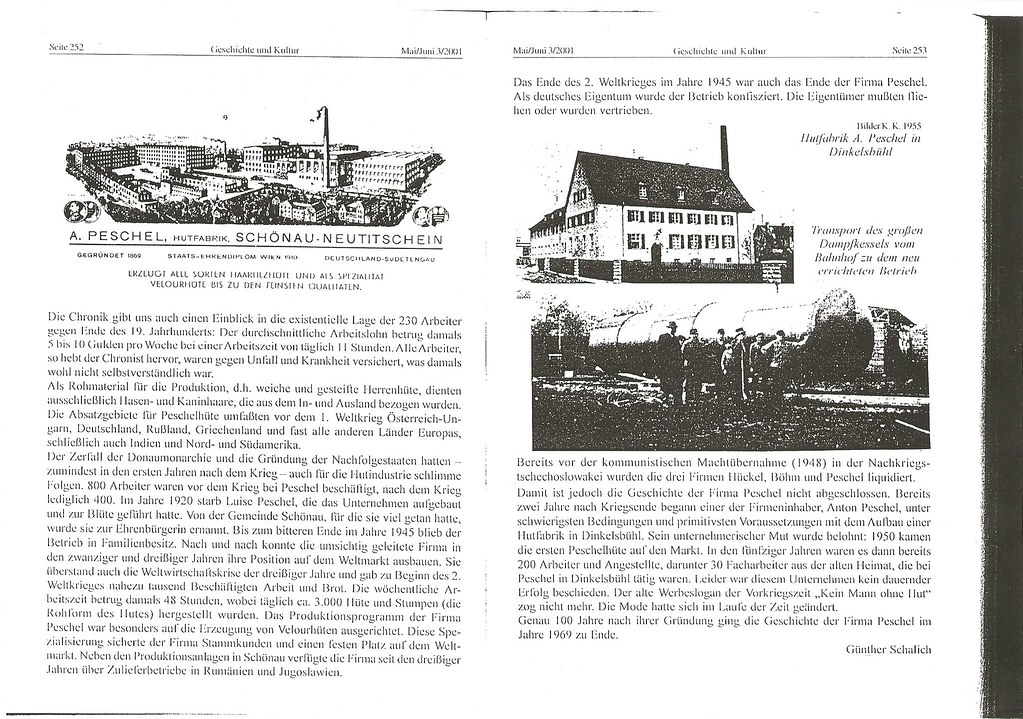
The disintegration of the Habsburg monarchy and the establishment of the successor states severely impacted the hat industry for a a couple years after WWI. 800 workers were employed prior to WWI but after the war only 400 were employed. In 1920 Luise Peschel, who had built the company to great success died. The municipality of Schönau, for which she had done much, made her an honorary citizen. The company would remain family owned until 1945. Gradually, the company built a world market in the twenties and thirties. It survived the Great Depression of the thirties and at the beginning of the second world war employed, housed and feed nearly a thousand workers. The working week at that time was 48 hours, every day approximately 3000 hats and felt hoods were produced. Anton Peschel was world renowned for their Velour finishes. This specialization secured regular customers and a permanent place on the world market. In addition to the production facilities in Schönau the company added subcontractors in Romania and Yugoslavia during the 1930s.
Even before the Communist takeover (1948) in post-war Czechoslovakia, the three companies J. Hückel´s Söhne, Anton Peschel and Brüder Boehm were liquidated. However, the history of the company Anton Peschel was not complete. Just two years after the war ended one of the company owners, Anton Peschel under primitive conditions established a hat factory in Dinkelsbühl, Germany. His entrepreneurial courage was rewarded: in 1950 the first Peschel hats came to market. In the fifties, the company had 200 workers and employees, including 30 skilled workers from the old country. Unfortunately, this company did not meet with lasting success. The old advertising slogan prewar "No Man Without A Hat" no longer applied and fashion had changed over time. Exactly 100 years after its creation Peschel hat company came to a end in 1969.
Günther Schalich
This article appeared in the May / June 2001 edition of "Geschichte und Kultur" (a periodical dedicated to the displaced people of Neutitschein / Novy Jicin Czechoslovakia, before WWI Austria).
Jeff, Thank you! Yes, I have more info on Luise Peschel. Against great odds she turned around a failing company.Fantastic history!

guess I just need to rub more brisket and bourbon in once warm weather hits and see what happens lolDon’t know of any magic growth elixir. Average growth per month is .75” in the humid summertime, .5” in the dry air of winter.
Thank you, Steve!Love the design of the ribbon and bow treatment, Mark. The colour really compliments the light grey and sets off the whole tone of the felt.
Absolutely STUNNING hat, Steve!! That lining is magnificent! Loved reading the history of the company; Luise must have been an extraordinary woman to accomplish what she did in the era in which she did it. Thanks for this!Anton Peschel Neutitschein, possibly learly 1930s. This is the only Anton Peschel Neutitschein Stiff Felt Hat I have encountered. This Stiff Felt was made for the Czechoslovakia market. It has a unusually long frayed Bow which gives it a special character. The Anton Peschel Neutitschein Crest is one of my favorite designs. I was very lucky to find this rare branded Anton Peschel Neutitschein Stiff Felt back in 2019.
Anton Peschel Neutitschein is probably my favorite Company Crest.
The History of the Hat Factory Anton Peschel in Schönau, Austria, post WWI Czechoslovakia
(Translation Below. Interesting company history, )
During the renovation of the Schönau village church in 1995 many historical items were discovered including a manuscript entitled "Sketch of the Origin of the Hat Factory of A. Peschel". The development of Neutitscheinhat industry is mostly attributed to three companies: J. Hückel´s Söhne, Brüder Böhm and Anton Peschel. However, strictly speaking Anton Peschel belonged to the neighboring independent community of Schönau. Mr. Ferdinand Seidenberger an officer of Anton Peschel wrote the manuscript in 1894 upon the 25th Anniversary the company (see above).
In 1869 began the company's founder , Anton Peschel, built a hat factory in Schönau. He came from the town Kamitz at Odniti and was at that time 46 years old. He had no prior experience in hat making and it was unknown why he decided to invest in the industry. In the early years Anton Peschel employed 20 to 30 hat industry workers. The beginnings of the company were apparently not promising. Mr. Seidenberger reported that Anton Peschel had to rely on outsiders to run the company. In 1885 Anton Peschel died and left his wife with eleven under aged children and a company on the brink of bankruptcy. Mr. Seidenberger described the business as "rotten". The company main customers were oddly in Romania where the company had lost many thousand Florins (apparently a large sum in those times) due to a tariff war. In this almost hopeless situation, the new proprietor , the wife of the late founder, Luise Peschel was tasked with rescuing the company. This energetic and business-minded woman, actually managed to reorganize the operation and was able to build a major customer base in Germany. According to Mr. Seidenberg " the company was established for the second time". She invested in production facilities and the renovation of machinery which further improved the economic well being of the company.
Mr Seidenberger also gives us an insight into the existential situation of the 230 workers at the end of the 19th century: The average wage at that time was 5 to 10 guilders per week with a work schedule of 14 hours a day. All workers were insured against accidents and illness , which probably was not self-evident at the time. As a raw material for production for soft and stiff felt hats and served exclusively hare and rabbit that were taken from the home and abroad . The markets for Anton Peschel hats included before the first World War, Austria - Hungary, Germany , Russia, Greece and almost all other countries in Europe. Also just prior to WWI North America, South America and India.
The disintegration of the Habsburg monarchy and the establishment of the successor states severely impacted the hat industry for a a couple years after WWI. 800 workers were employed prior to WWI but after the war only 400 were employed. In 1920 Luise Peschel, who had built the company to great success died. The municipality of Schönau, for which she had done much, made her an honorary citizen. The company would remain family owned until 1945. Gradually, the company built a world market in the twenties and thirties. It survived the Great Depression of the thirties and at the beginning of the second world war employed, housed and feed nearly a thousand workers. The working week at that time was 48 hours, every day approximately 3000 hats and felt hoods were produced. Anton Peschel was world renowned for their Velour finishes. This specialization secured regular customers and a permanent place on the world market. In addition to the production facilities in Schönau the company added subcontractors in Romania and Yugoslavia during the 1930s.
Even before the Communist takeover (1948) in post-war Czechoslovakia, the three companies J. Hückel´s Söhne, Anton Peschel and Brüder Boehm were liquidated. However, the history of the company Anton Peschel was not complete. Just two years after the war ended one of the company owners, Anton Peschel under primitive conditions established a hat factory in Dinkelsbühl, Germany. His entrepreneurial courage was rewarded: in 1950 the first Peschel hats came to market. In the fifties, the company had 200 workers and employees, including 30 skilled workers from the old country. Unfortunately, this company did not meet with lasting success. The old advertising slogan prewar "No Man Without A Hat" no longer applied and fashion had changed over time. Exactly 100 years after its creation Peschel hat company came to a end in 1969.
Günther Schalich
This article appeared in the May / June 2001 edition of "Geschichte und Kultur" (a periodical dedicated to the displaced people of Neutitschein / Novy Jicin Czechoslovakia, before WWI Austria).


